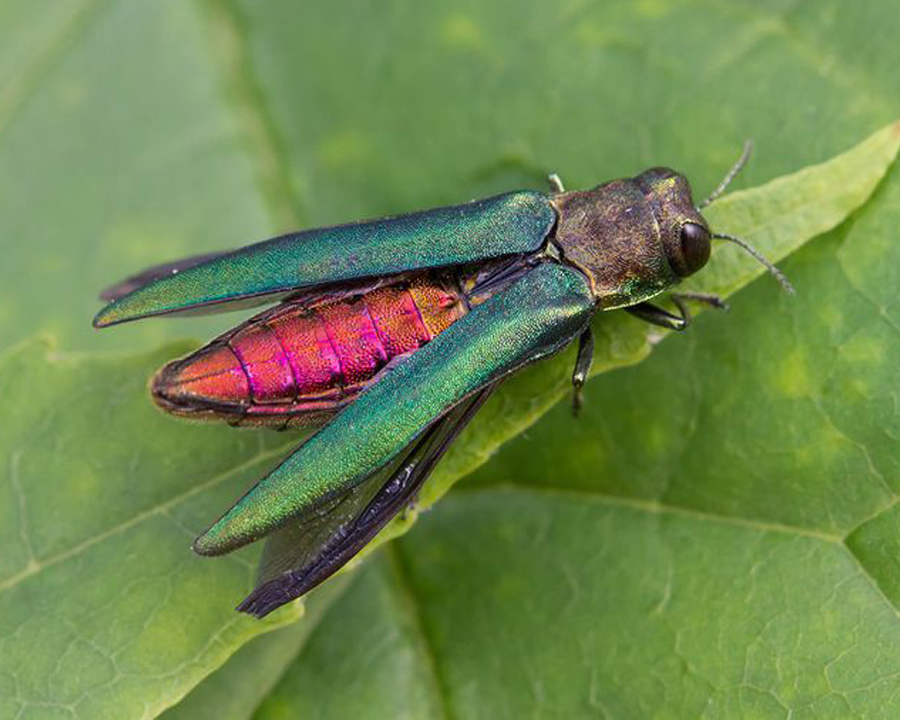
About 150 ash trees in Lake Oswego parks and along city streets will come down this year after the City Council voted Aug. 4 to adopt a readiness plan for the emerald ash borer, a wood-boring beetle that kills nearly every tree it infests.
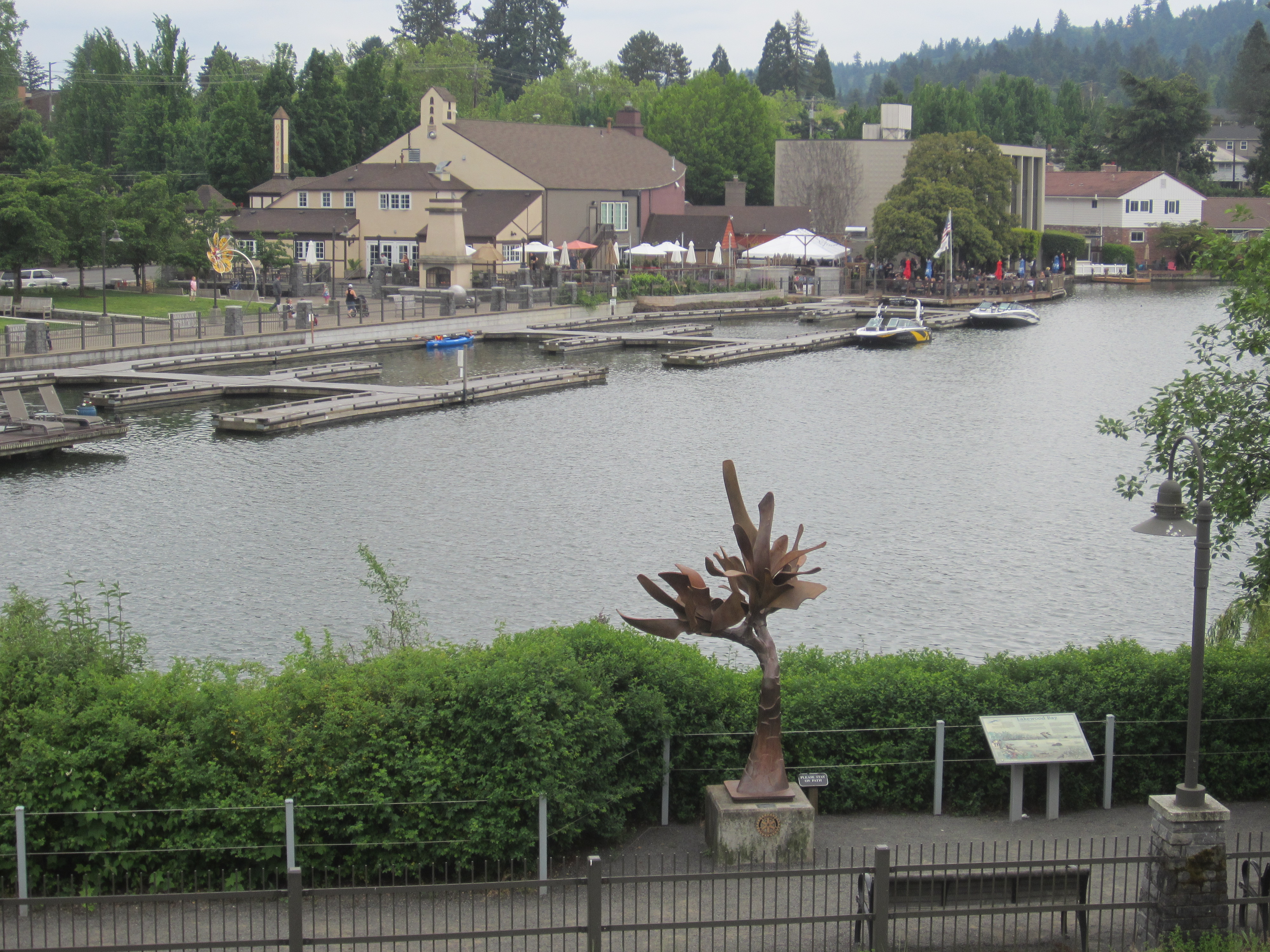
The removals will hit eight parks hardest: Canal Acres, Bryant Woods, East and West Waluga, Lamont Springs, Freepons Park, Hallinan Park and Cascara Open Space.
City staff estimated the full cost of fighting the beetle at $300,000 to $800,000, funding they plan to request as part of the 2027–29 biennium budget, the Lake Oswego Review reported.
The emerald ash borer hasn't been spotted in Lake Oswego yet, but urban forester Courtney Wilson told the council it's only a matter of time.
"Once a tree is infested with EAB, it has about a 99% mortality rate," Wilson said. "With EAB being permanently established in Oregon, it'll inevitably spread to Lake Oswego and it cannot be eradicated, but a proactive plan can minimize the ecological, economic and safety impacts to our community."
The beetle was first found in Oregon in Forest Grove in 2022. It has since been confirmed in five counties, including Clackamas County, where Lake Oswego sits. In June, OPB reported the pest had reached Tualatin, which borders Lake Oswego to the south.
What the city found
In 2025, the city hired two interns to survey ash trees within 100 feet of park boundaries and along trails. They cataloged 2,711 trees. Of those, 528 were flagged as potentially hazardous because they were dying, aging, falling or located near buildings and utilities.
Wilson said staff are now expanding the inventory to cover roughly 180 miles of city streets. As of the Aug. 4 meeting, crews had logged about 350 right-of-way ash trees across two and a half of seven survey zones.
Removals and chemical treatment
The plan calls for staggering the removal of about 150 trees in the first year. Alongside the cutting, crews will inject chemicals into remaining ash trees to slow the beetle's larvae from destroying the wood from the inside.
"It makes the tree uninhabitable and will kill future larvae," said Kaleb Simpson, the city's natural resource and stewardship coordinator.
Historic ash trees in good condition will also receive injections rather than removal. No natural predators for the beetle exist in Oregon, making chemical treatment and preemptive removal the city's primary tools.
Replanting with native species
Lake Oswego plans to replace removed trees with native and fire-resistant species to maintain its canopy. Councilor Ali Afghan voiced support for the approach, noting that native replacements would be less likely to damage sidewalks and roads over time.
The $300,000 to $800,000 cost estimate covers future remediation across the plan's lifespan. The funding request will go before the council during the city's next two-year budget cycle, which begins in fiscal year 2027. Council meetings are open to the public; residents can check the city's website for upcoming agendas.