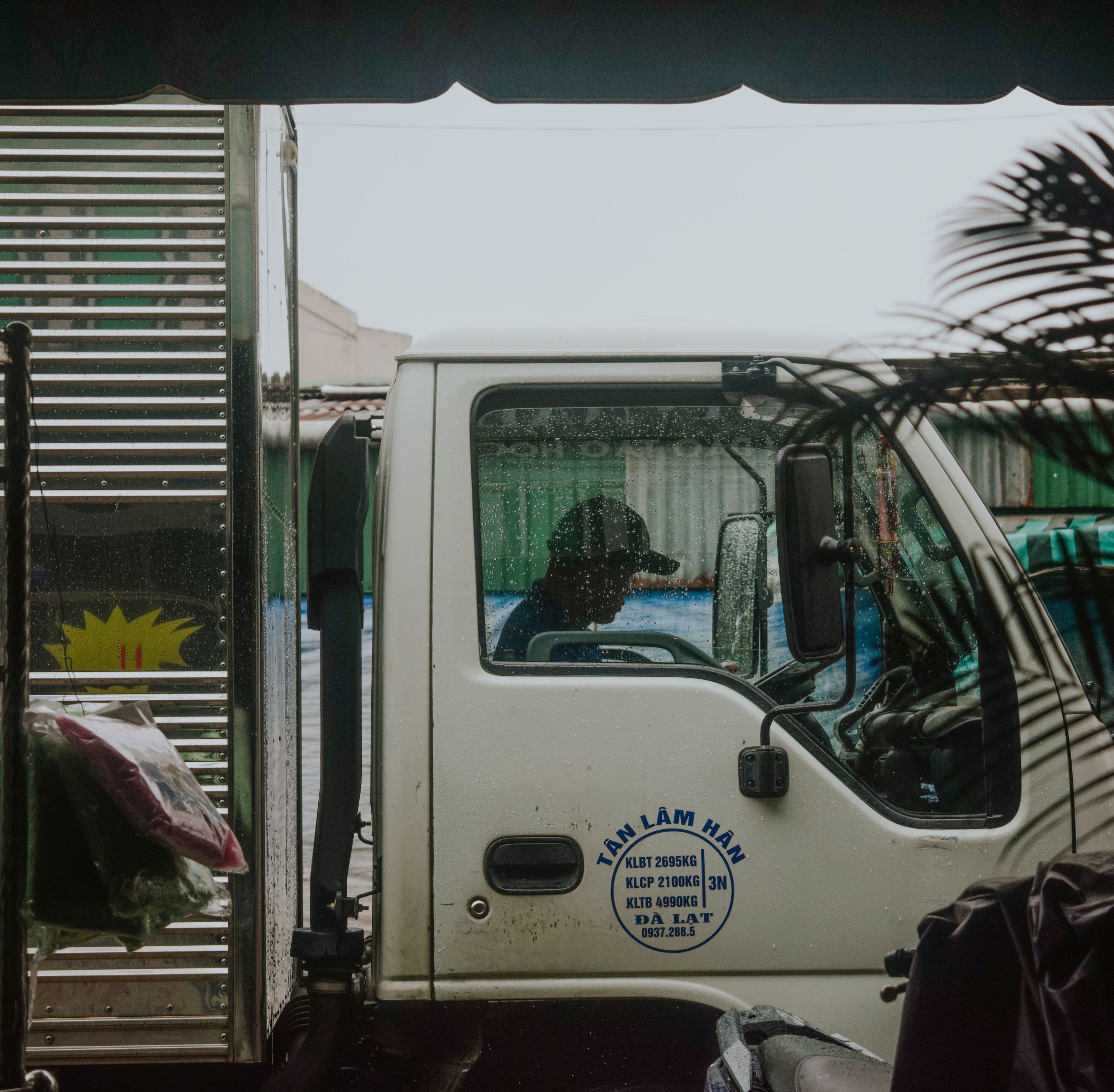
About 900 legally present immigrants and refugees in Oregon can no longer hold or renew a commercial driver's license.
The federal rule took effect earlier this spring, devastating enrollment at an immigrant-owned driving school and forcing workers across the Portland metro area to abandon a career path that once offered quick access to middle-class wages.
The Federal Motor Carrier Safety Administration rule bars states from issuing temporary CDLs — licenses available to asylum seekers, refugees, DACA recipients, and others with employment authorization — in most cases.
States that don't comply risk losing millions in federal transportation funding. Oregon was among 25 states the Trump administration determined last summer had violated federal regulations by issuing these temporary licenses.
The fallout extends into Clackamas County. The Immigrant & Refugee Community Organization, which serves Clackamas, Multnomah, Washington, and Malheur counties, reports that commercial driving training is the top service requested by men seeking career help through the nonprofit, according to Josie Majuri, IRCO's workforce development manager.
Theresa Park, IRCO's North/Northeast WorkSource site manager, said many clients who were about to start or finish CDL training had to switch to rideshare driving, warehouse work, and assembly line jobs after the rule took effect.
"It's frustrating because some of these folks had jobs lined up," Park told the Oregon Capital Chronicle. "We have people to do the jobs, but they're not allowed to do it."
Park said some clients had invested their savings in buying multiple trucks to launch their own businesses. Those trucks are now being repossessed. Some families are selling their homes or moving out of apartments, and others are turning to food pantries because the income they planned on is gone.
Abdul Saboor Hassan, an Afghan immigrant who earned a green card through his service to the U.S. Army, opened a commercial driving school in Portland in 2024.
About 70% of his students came from immigrant and refugee backgrounds when the school launched. That share dropped to roughly 25% by spring 2025, after the administration issued an executive order enforcing stricter English-language proficiency requirements for commercial drivers and began its crackdown on temporary CDLs.
Hassan still operates his school but now serves only immigrants who have obtained citizenship or a green card.
Oregon's Driver and Motor Vehicle Services division said the state is unaware of evidence that drivers with limited-term CDLs are less safe than other commercial drivers, according to spokesperson Chris Crabb. Oregon began issuing non-domiciled CDLs in 2010, with the program pausing between 2015 and 2017 and again in late 2025 as the state worked to meet federal standards.
Oregon Trucking Association President and CEO Jana Jarvis told the Oregon Capital Chronicle she supports the federal rule, adding that demand for truck drivers is not as high as it was during the pandemic.
U.S. Transportation Secretary Sean Duffy said July 22 that the administration had removed more than 24,000 drivers from roads for failing English requirements and forced states to cancel more than 28,000 licenses it described as illegally issued to foreign drivers.
The FMCSA's March 2026 action was issued as an interim final rule, meaning it took effect immediately but remains subject to revision.
A final rule is still on the agency's regulatory agenda, according to trade publication FleetOwner, though no publication date has been announced.