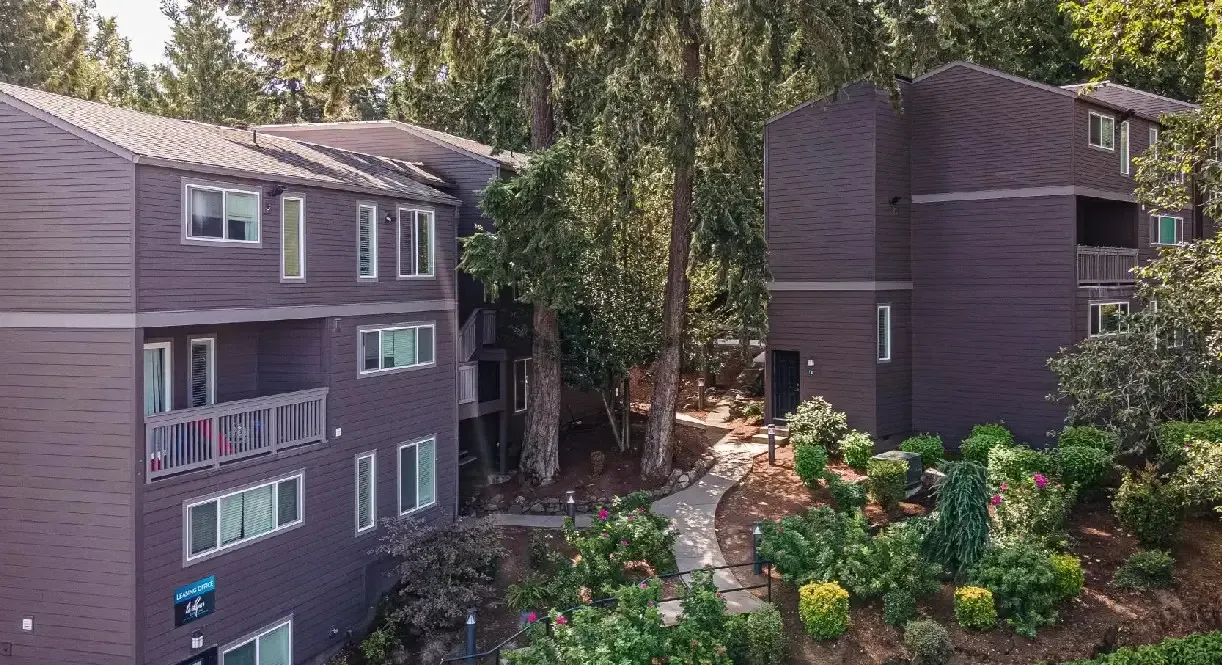
Builders of smaller homes and apartments in West Linn could see tens of thousands of dollars shaved off upfront fees under proposals the city's Housing Production Strategy Working Group reviewed at its Thursday, Aug. 13, virtual meeting.
Two draft policy memos prepared by consultant Brendan Buckley of Johnson Economics lay out how the city could scale its System Development Charges by housing size and adopt tax exemption programs for affordable units. West Linn's total SDC for a standard single-family home sits at roughly $59,581, among the highest in the Portland metro area, according to the SDC Updates Memo.
Scaling fees by size
Water and parks charges account for 62% of that total. The memo recommends applying the city's existing sewer SDC tier methodology to the Water SDC, which currently charges every residential unit the same rate regardless of size. That change alone would cut the water fee by about 33% for attached middle housing such as duplexes and triplexes, and by roughly 58% for multi-family apartments.
For parks, the memo proposes switching from unit-type tiers to bedroom-count tiers, yielding reductions of up to 33% for smaller units. Townhomes would also be reclassified to match other attached housing rather than being grouped with single-family detached homes.
The numbers add up fast. The memo further recommends waiving the city's portion of SDCs entirely for affordable housing and accessory dwelling units. The city controls 74% of the total charge; the remaining 26% flows to the South Fork Water Board and Tri-City Service District, which West Linn cannot adjust directly.
A general SDC deferral program was not recommended, citing administrative burden and collection risk.
Tax breaks for renters and buyers
A separate Tax Exemptions Memo presented at the meeting outlines two programs. The Low Income Rental Housing Tax Exemption would grant a 20-year property tax break to newly built rental housing serving households at or below 60% of Area Median Income. Both nonprofit and for-profit developers would qualify.
The city's share of the property tax levy is about 15%. The memo encourages West Linn to seek agreements with the school district and Clackamas County to cover the full levy, noting that a full exemption could make projects viable at 80% AMI. Reaching 60% AMI would require layering the exemption with federal programs such as Low Income Housing Tax Credits and Section 8 vouchers.
For homebuyers, the Homebuyer Opportunity Limited Tax Exemption would provide a 10-year property tax break on improvements for owner-occupied homes priced at or below roughly $480,000, which is 60% of West Linn's approximate $800,000 median sale price. That exemption could reduce a qualifying buyer's monthly payment by 10% to 12%.
The memo acknowledges the HOLTE benefit goes to the buyer, not the builder, making it unlikely to spur market-rate construction at that price point. It expects the program to be most useful for nonprofits such as Habitat for Humanity or community land trusts.
What's next
Both memos note that current high construction costs and elevated interest rates limit the near-term impact of these tools but argue for establishing programs now so they are ready when conditions improve.
The working group, which includes homebuilders, city staff, the county assessor and affordable housing developers, is part of a broader Housing Production Strategy implementation effort. At the July 15 Planning Commission work session, project team member Brandon Crawford said the team would "draft amendments based on the recommended implementation options in the audit over the fall" and discuss recommended code updates with the Planning Commission in January 2027.
Senior Planner Erica Smith is the staff liaison for the working group. The full Aug. 13 meeting is available on YouTube. No next working group meeting date has been announced.