Oregon's sweeping animal-killing ban won't reach voters in November, and for tribal communities that fish at Willamette Falls near Oregon City, the measure's failure preserves treaty-protected rights that elected officials said the initiative ignored.
The Oregon Secretary of State's Elections Division announced July 24, that Initiative Petition 28 fell about 13,000 valid signatures short of the 117,173 needed to qualify for the ballot. Backers submitted 142,784 signatures, but only 104,262 survived verification.
What IP-28 would have done
The measure, formally called the People for the Elimination of Animal Cruelty Exemptions (PEACE) Act, would have banned nearly all killing of animals in Oregon, covering hunting, fishing, livestock farming, animal research, pest control, and rodeos. Exceptions existed only for self-defense and veterinary care.
The initiative did not exempt the treaty-protected hunting and fishing rights of Oregon's nine federally recognized tribes, according to the Oregon Capital Chronicle and a joint statement from all 37 Oregon House Democrats.
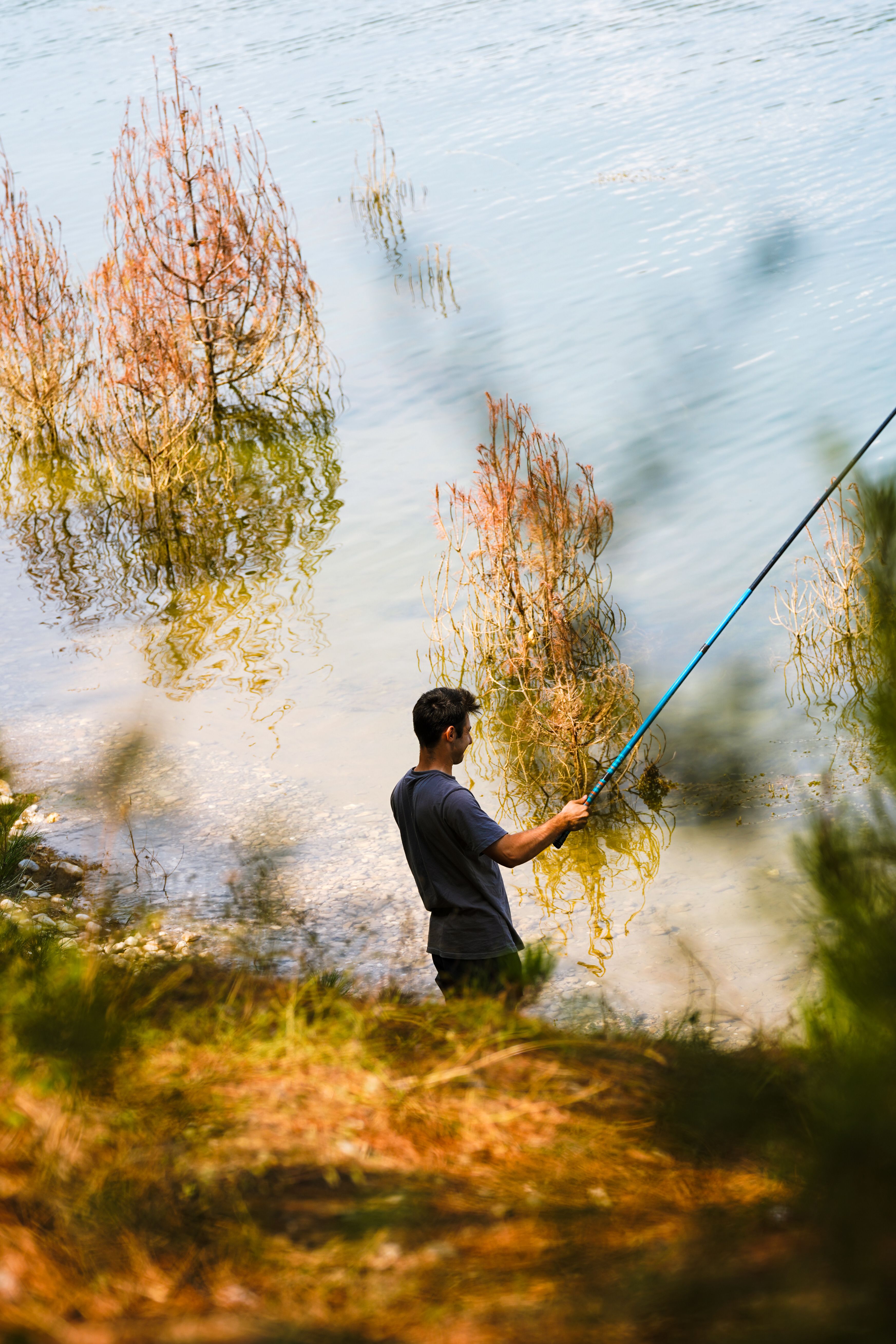
Tribal fishing at the falls
Willamette Falls sits within the ancestral homelands of the Confederated Tribes of Grand Ronde, which holds site-specific fishing rights at the falls. Members of the Yakama Nation harvested Pacific lamprey at the falls, which they call Wilumpt, on June 24.
The Grand Ronde reached an agreement with the Oregon Fish and Wildlife Commission in August 2023 allowing members to hunt and fish for ceremony and subsistence in portions of their ancestral homelands without state permits. Sara Thompson, a Grand Ronde tribal spokesperson, said when that agreement was approved in 2023: "It's about sovereignty. It's the ability to harvest under a tribal tag, under a tribal license, throughout this portion of our homelands."
Those rights remain intact with IP-28's failure.
Local leaders opposed the measure
Senate President Rob Wagner, D-Lake Oswego, was among elected officials who publicly criticized IP-28, according to OregonLive. Gov. Tina Kotek called the outcome "a win for tribal leaders, family farmers, ranchers, and every Oregonian who cares about protecting our lands and wildlife."
All 37 Oregon House Democrats issued a joint statement in early July saying the measure "ignores the treaty rights of all nine federally recognized Tribes in Oregon."
Lauren Kuenzi, Oregon Farm Bureau director of government and political affairs, said the announcement means Oregonians won't face a ballot measure that would have "made criminals out of law-abiding citizens" and "threatened family farms and ranches."
Backers say they'll return
This was the third consecutive election cycle that advocates tried to qualify a version of the initiative, and the closest they've come. Campaign leader David Michelson said supporters plan to try again, noting the effort has grown since 2020.
The campaign raised more than $300,000 this cycle, according to state campaign finance records.
The opposition coalition included the Oregon Farm Bureau, Oregon Hunters Association, Oregon Food Bank, tribal leaders, veterinarians, and elected officials from both parties.
No other citizen-led initiative qualified for the November 2026 ballot, making it the first general election in decades without one.