Mark and Leah Puhlman spent 14 years gutting their mid-1960s bank-repo house near Lake Oswego High School.
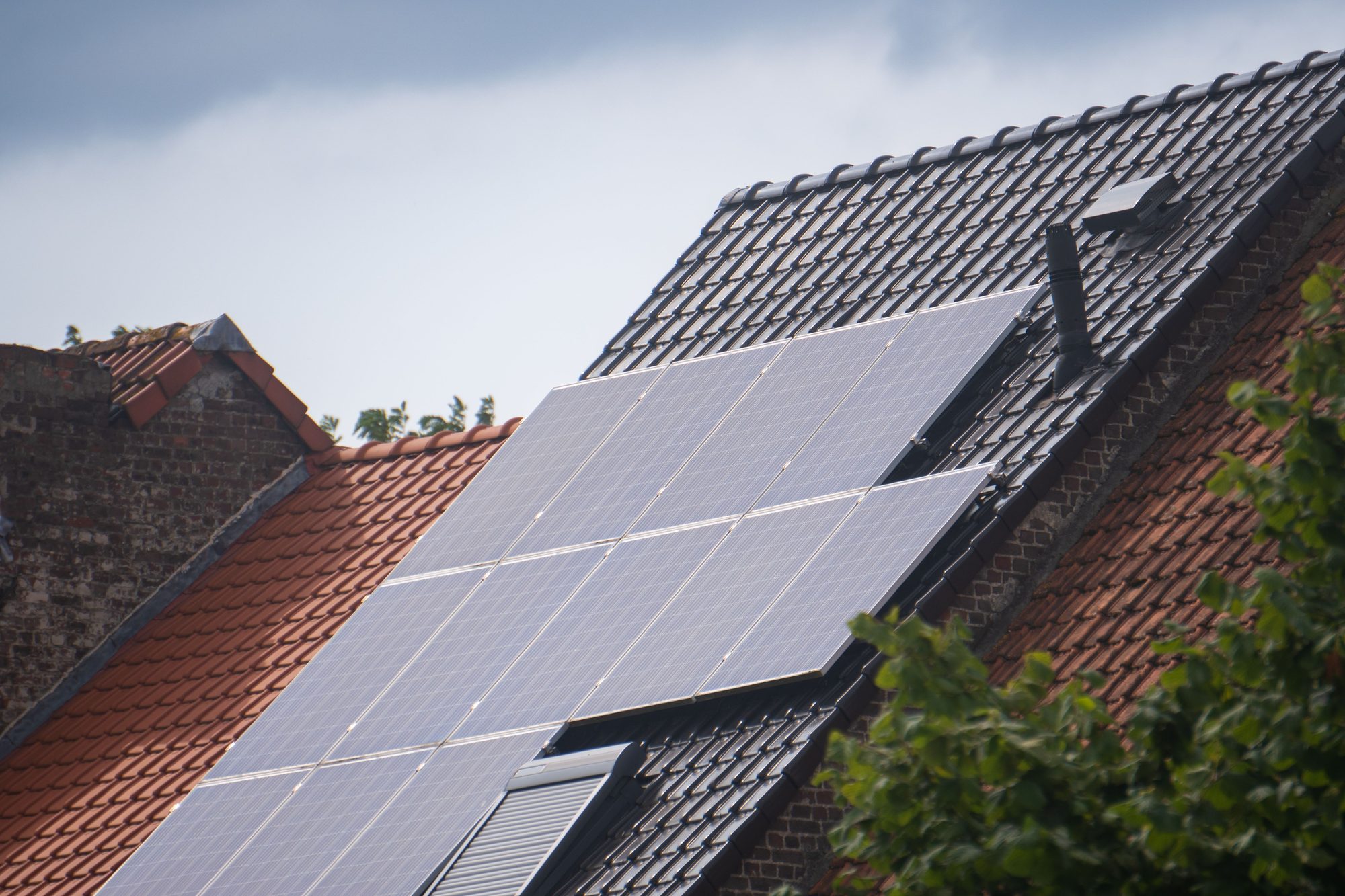
Installation of the final upgrade began the week of Aug. 15: solar panels that Mark Puhlman expects will cover more than 95% of the couple's electricity during peak summer months.
The half-acre property in north Lake Oswego was smothered in blackberries when the Puhlmans bought it. It took three years just to clear the lot. Inside, the original insulation was newspaper from the 1960s stuffed between studs.
They tore the interior to bare framing, ran new wiring, installed double-pane windows and modern insulation, swapped a gas stove for an induction cooktop and replaced their furnace and air conditioner with a heat pump.
Outside, they ditched a gas mower for battery-powered equipment, converted landscaping to drought-tolerant plants and bought their first EV, a new Kia.
"It's for my kids and my grandkids," Puhlman told the Lake Oswego Review. "I've got five kids [and] four grandkids … and I can't, in good conscience, keep doing that to my kids and my grandkids."
Puhlman, who is in his early 70s, has served five years on the board of the Lake Oswego Sustainability Network and previously volunteered with Electrify LO, a LOSN project that helps residents try EVs, heat pumps, solar and electric yard tools.
Leah Puhlman is an OSU Master Gardener who led the property's landscape conversion.
Under Oregon's net metering policy, the Puhlmans plan to sell surplus summer electricity back to Portland General Electric and draw from the grid in winter.
Puhlman estimates the system will break even in three to five years. PGE customers in the Portland metro area pay roughly 14 to 15 cents per kilowatt-hour.
The timing matters.
The One Big Beautiful Bill Act, signed July 4, 2025, eliminated the 30% federal residential solar tax credit for systems installed after Dec. 31, 2025, and ended the federal EV credit of up to $7,500 for vehicles acquired after Sept. 30, 2025.
Puhlman said the couple "got in on the latter part of the federal subsidies," calling the solar installation "quite a big investment."
Still, he framed the upgrades as practical. Each change, he said, brought "more comfort, more economy and more efficiency," adding: "For comfort, ease of use, safety and cost, this is a path we should all consider."
The Lake Oswego Sustainability Network's next scheduled events begin Saturday, Sept. 19. Details are posted at losn.org/events.